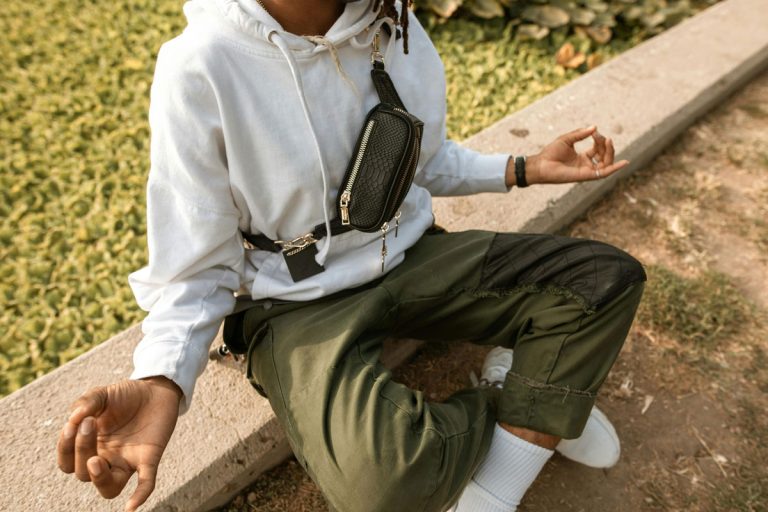
Mindfulness for the Marginalized: Creating Culturally Relevant Practices
Mindfulness is often described as intentionally paying attention to the present moment with openness and awareness. In psychotherapy and everyday life, mindfulness may involve noticing the breath, observing thoughts and emotions, paying attention to physical sensations, or bringing greater awareness to ordinary activities.
However, mindfulness does not exist in a cultural vacuum. People approach mental health practices through their histories, identities, values, communities, and experiences. For people from marginalized communities, mindfulness may feel more accessible when these factors are acknowledged rather than assuming the same approach will work equally well for everyone.
Culturally adapted mindfulness-based interventions may improve their relevance and accessibility for diverse communities. Adaptations can include changes to language, content, format, delivery, and the cultural context surrounding the practice.
Mindfulness Has a Diverse History
Although mindfulness has become increasingly familiar in Western mental health settings, many of its ideas have much older cultural roots.
Contemporary clinical mindfulness programs have been significantly influenced by Buddhist contemplative traditions. Over time, elements of these practices have been adapted for secular settings, including psychotherapy, health care, schools, workplaces, and community programs.
Practices involving contemplation, focused attention, awareness, storytelling, connection with nature, and intentional reflection can also be found across different cultures and traditions. Recognizing this broader history can help prevent mindfulness from being presented as a culturally neutral practice that everyone experiences in the same way.
Culturally responsive mindfulness involves curiosity about what reflection, awareness, rest, and emotional well-being mean to each individual.
Why Cultural Relevance Matters
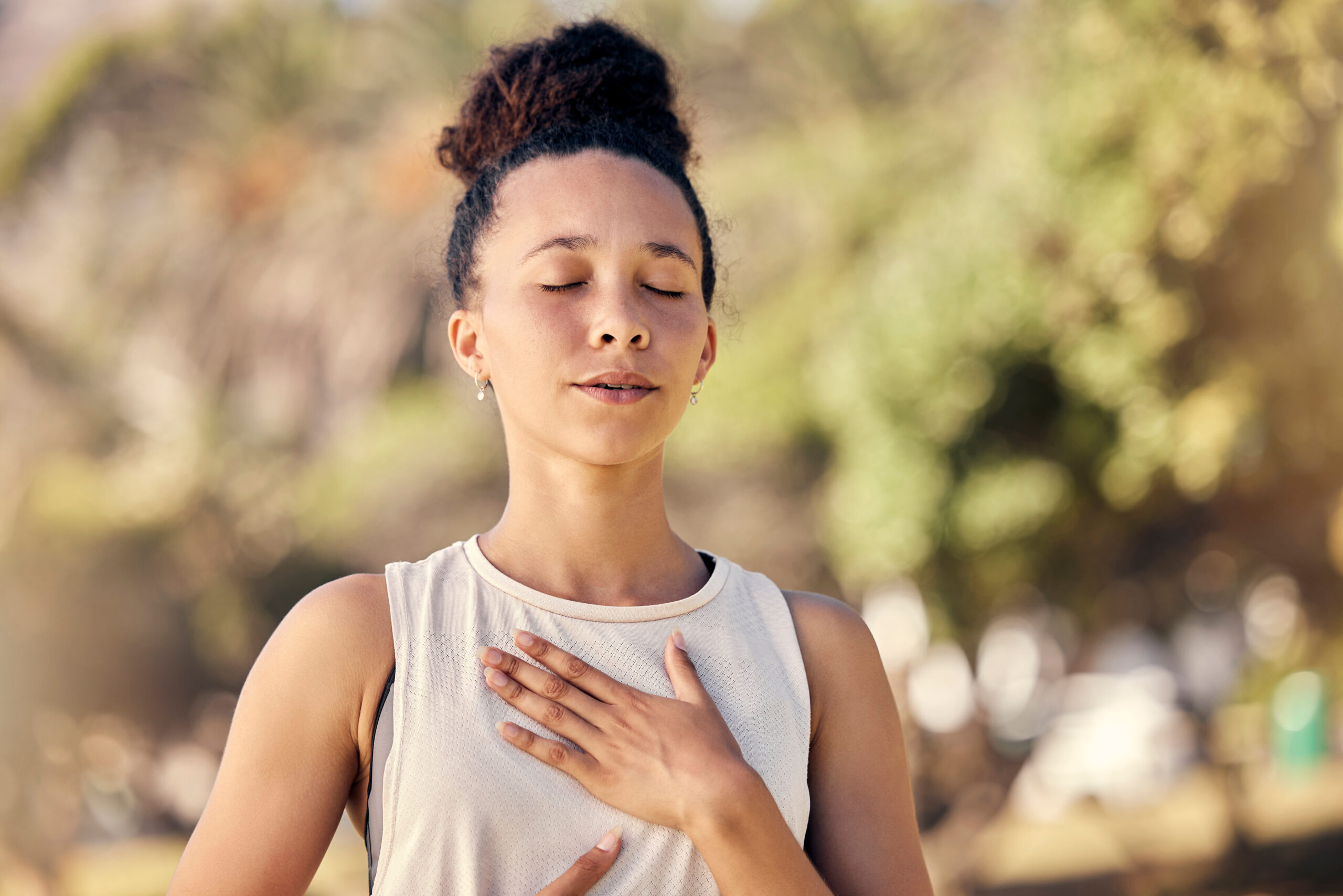
A common mindfulness exercise might ask someone to sit quietly, close their eyes, focus on breathing, and observe thoughts or physical sensations. While this can be helpful for some people, it may not feel comfortable or appropriate for everyone.
Culture can influence how people understand emotional distress, communicate feelings, relate to mental health care, and seek support. Experiences with discrimination, economic hardship, community violence, immigration, or other stressors may also affect how someone responds to therapeutic practices.
Cultural responsiveness starts by recognizing these differences rather than assuming mindfulness needs to look a particular way.
Adapting Mindfulness to the Individual
One way to make mindfulness more culturally responsive is to provide flexibility.
Closing the eyes, for example, does not need to be required. Someone may prefer keeping their eyes open, focusing on an object, walking, stretching, or paying attention to sounds in the room.
Language also matters. Terms such as “meditation” or “mindfulness” may resonate with one person but feel unfamiliar to another. A therapist might instead describe the practice as noticing, grounding, observing, pausing, or paying attention to the present moment.
Research exploring culturally responsive mindfulness has identified potential adaptations such as using culturally familiar terminology, incorporating relevant cultural values and resources, and offering practices in familiar community settings.
The goal is not to determine what someone should find culturally relevant. It is to ask what works for them.
Making Space for Lived Experience
Mindfulness should not be used to dismiss or minimize real circumstances.
If someone is experiencing discrimination, financial stress, isolation, or another ongoing difficulty, mindfulness is not a substitute for acknowledging those realities. Encouraging someone simply to observe their reaction may feel invalidating when the circumstances contributing to that reaction are ignored.
A culturally sensitive approach can acknowledge external circumstances while also offering tools for recognizing thoughts, emotions, physical sensations, and behavioral responses.
Mindfulness can then become one possible strategy for navigating difficult experiences rather than an expectation that someone should quietly accept them.
Mindfulness Does Not Have to Mean Sitting Still
Making mindfulness accessible can also mean broadening what counts as a mindfulness practice.
Mindfulness can happen while walking, eating, listening to music, creating art, spending time outdoors, or completing an everyday activity. Someone might notice the feeling of their feet against the ground, identify sounds around them, or observe thoughts without immediately responding.
Some people may prefer individual exercises, while others may feel more comfortable with practices emphasizing relationships or community. There is no single format that works for everyone.
This flexibility can be especially useful when traditional meditation exercises do not align with someone’s preferences, experiences, or cultural framework.
Building a More Inclusive Mindfulness Practice
Culturally relevant mindfulness begins with collaboration. Therapists can ask what feels comfortable, whether certain terminology has personal or cultural meaning, and how an exercise could be adjusted to better fit someone’s needs.
It is equally important to avoid assumptions. Two people who share aspects of the same identity or cultural background may have very different relationships with mindfulness.
When mindfulness is flexible, collaborative, and grounded in lived experience, it can become a more accessible therapeutic tool. Rather than asking people to adapt themselves to a predetermined practice, culturally responsive care considers how mindfulness can be thoughtfully adapted to the individual.